


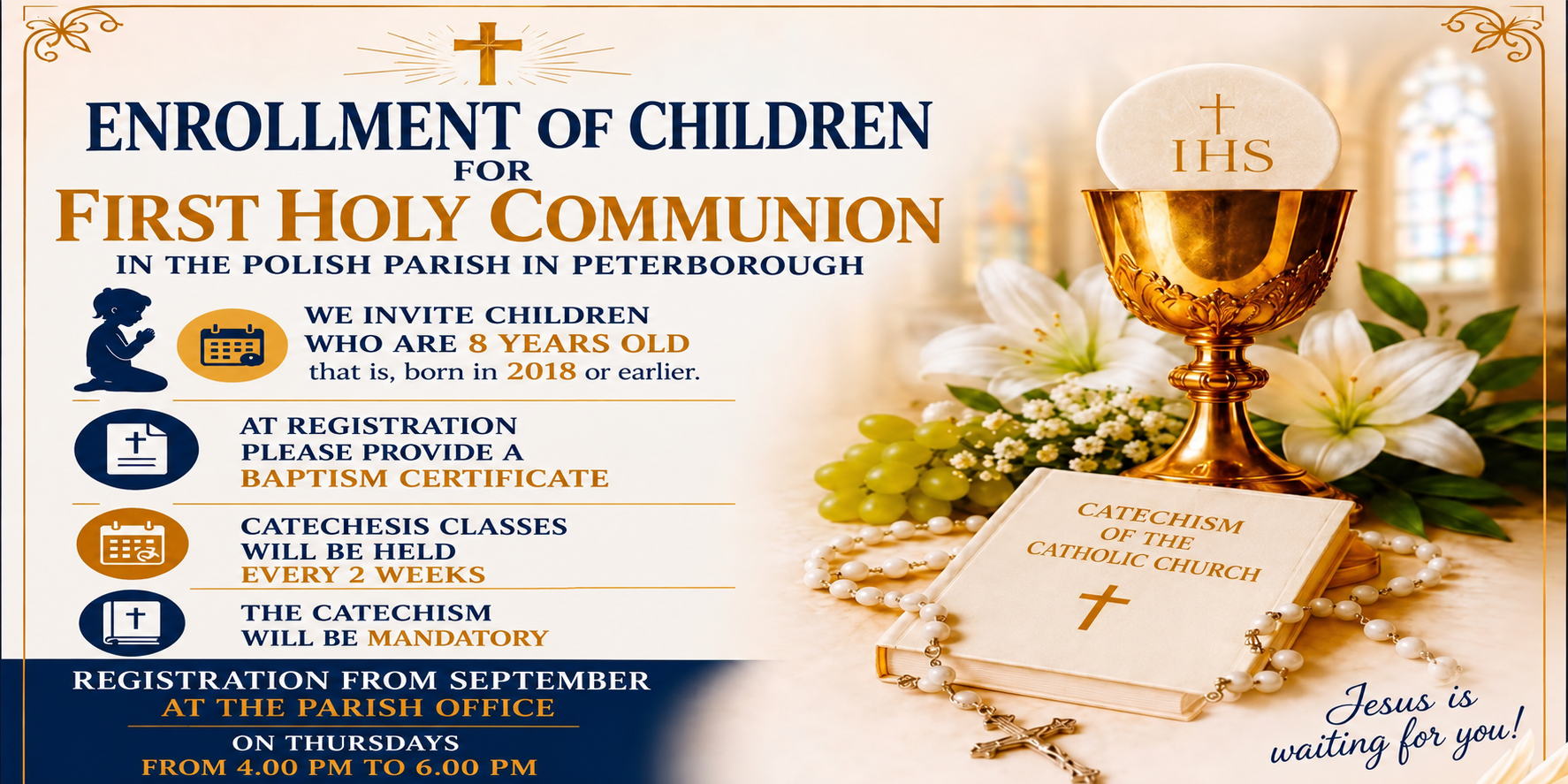



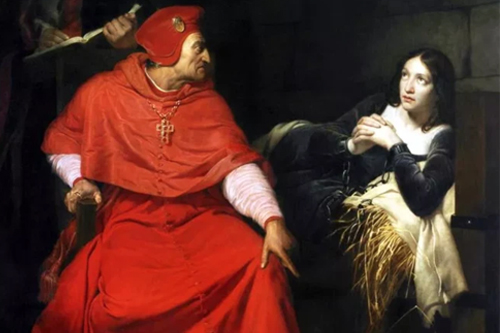

For Catholics, First Holy Communion is a milestone – a day when a child receives the Body and Blood of Christ for the first time. It’s a celebration that brings families together, linking generations in a memory that often stands out as one of the brightest moments of childhood. But have you ever wondered who watches over children on this special day? The answer takes us back to 14th-century Bologna and the remarkable story of Blessed Imelda Lambertini, the official patron saint of First Communicants.
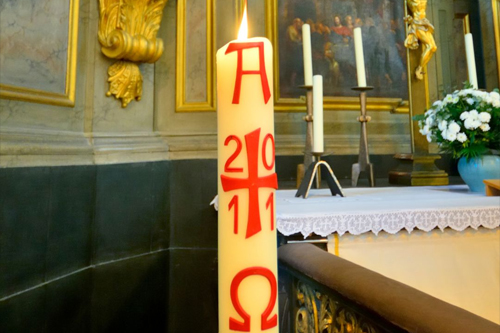
Every year, the fading glow of the Paschal Candle at Ascension Mass marks a turning point in the Christian liturgical calendar. The ritual is simple: after forty days of burning brightly in the sanctuary since the Easter Vigil, the candle is extinguished, its flame snuffed out just as the Church celebrates Christ’s ascent into heaven. For many, this action is visually striking but not always fully understood. Why do we extinguish the Paschal Candle at the Ascension Mass? What does it mean for our faith and liturgy? The answer is rooted in a blend of rich tradition, deep symbolism, and centuries of Christian practice.
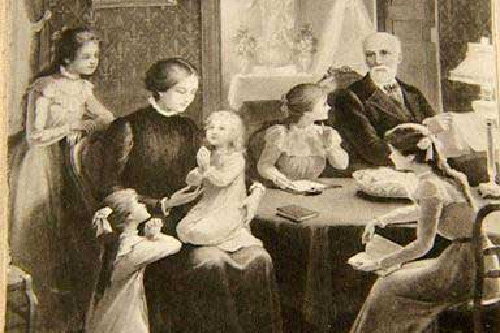
We all want our children, godchildren, and grandchildren to grow into faithful men and women. Yet, in today’s culture full of mixed messages, it’s often hard to know how to nurture their faith effectively.
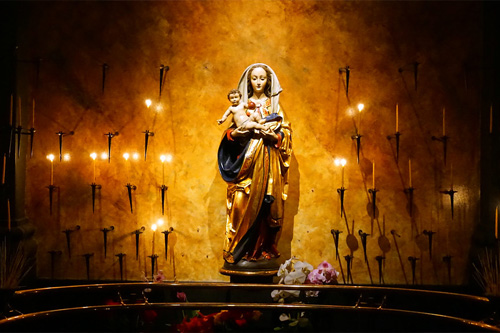
If you ask most Catholics where the first Marian apparition took place, you’ll likely hear about Lourdes, Fatima, or Guadalupe. These places have become icons of Marian devotion, each linked to miracles, healings, and global pilgrimages. But the very first apparition—recognized as unique among all Marian encounters—happened centuries before any of these, in a chapter of Christian history that still feels almost hidden, like a secret waiting to be rediscovered.
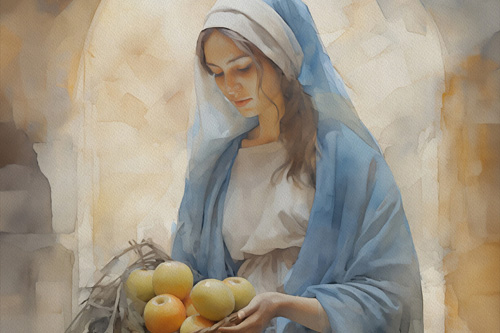
If you’ve ever stepped into a Catholic home and noticed a statue or icon of Mary holding a broom or a set of keys, you’ve encountered something quietly profound. This is the Kitchen Madonna—a depiction of the Blessed Virgin Mary not as Queen of Heaven, but as the gentle heart of the home. While she’s venerated in many titles, the Kitchen Madonna offers a reminder that holiness is found not just in the chapel, but also in the clatter of pots and pans, in the sweep of a broom, and in the daily bread of ordinary life.
- How a Humble Missionary Changed the Fate of a Pacific Island
- What Are the Seven Corporal Works of Mercy?
- Saint Matthias: The Apostle You Might Have Missed
- What Is the “Final Battle” Sister Lucia of Fatima Spoke About?
- Marian Apparitions: How Many Are Officially Recognized and How the Catholic Church Decides
- Meet the Apostle Who Was a Relative of Jesus
- Saint Isidore the Farmer and the Angels: The Humble Path to Sainthood
- The Celestial Basilica: The Sanctuary of Monte Sant’Angelo – The Only Church Consecrated by an Angel
- The Prayer to St. Michael the Archangel – From Leo XIII’s Vision to Pope Leo XIV’s Spiritual Legacy
- Pray for Pope Leo XIV, the First Pope from the United States of America