






The story begins in the year 40 A.D., in what is now Zaragoza, Spain. The Roman Empire stretched its shadow across the land, pagan gods dominated the spiritual landscape, and Christianity was a fragile, new faith, struggling for a foothold on European soil. James the Greater, one of the original apostles, son of Zebedee, and brother of John the Evangelist, found himself in this foreign territory. He was discouraged, facing indifference and even hostility. According to tradition, his mission to evangelize the Iberian Peninsula was going nowhere fast. He was tired, isolated, and needed a sign.
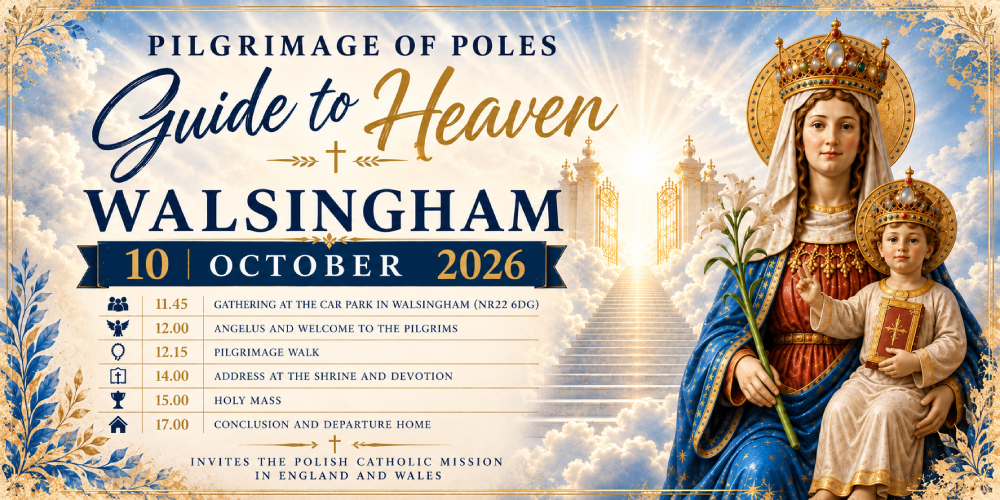
Legend says that as James and his disciples prayed by the banks of the Ebro River, Mary appeared to him—alive, not yet assumed into heaven, but through a miraculous act of bilocation. She stood upon a pillar of jasper, accompanied by angels. In her arms was the infant Jesus. She urged James on, offering words of comfort and hope. Mary told him to build a chapel at that very spot, assuring him that “it will stand from that moment until the end of time in order that God may work miracles and wonders”.
This apparition is entirely unique. It is the only Marian apparition believed to have occurred while Mary was still living on earth, making it not just the first, but also a theological mystery—how could someone appear in two places at once? For centuries, the faithful have accepted this miracle as a sign of Mary’s care for the early Church, and her special role as mother of all Christians.
Why a pillar? Mary’s choice of a jasper column as the foundation for her appearance carries a powerful message. She told James that the faith of the Spanish people would one day become as strong as the pillar upon which she stood. The pillar, in the language of the Bible, has always signified steadfastness, faith, and the presence of God (see Genesis 28:18). To this day, the jasper pillar remains at the heart of the basilica in Zaragoza, a tangible link to that ancient moment.
James and his followers built a small chapel on the site, which over centuries grew into the majestic Cathedral-Basilica of Our Lady of the Pillar. It holds the distinction of being the first church in history dedicated to Mary. The site has witnessed many miracles and has drawn countless pilgrims, including saints like Teresa of Ávila, John of the Cross, and Ignatius of Loyola.
The wooden statue of Mary atop the original pillar is the centerpiece. She is depicted holding the Child Jesus, gazing down in maternal compassion. The basilica is filled with art, light, and the prayers of the faithful—centuries of hope echoing in its walls
Over the centuries, devotion to Our Lady of the Pillar has inspired countless stories of healing and protection. One of the most famous miracles involved a young man named Juan in 1640, who had lost his leg. After praying to Our Lady at the basilica, his limb was restored—a miracle that was investigated and confirmed by Church authorities.
Another legend says that the pillar itself has never been moved from its original spot, no matter how many times the church has been rebuilt or improved. Even during times of war, when bombs fell on Zaragoza during the Spanish Civil War, the basilica was spared—an event many see as a sign of Mary’s ongoing protection.
Our Lady of the Pillar quickly became not only a local but an international devotion. She is the patroness of Spain and of the Spanish-speaking world, and her image is cherished in places as far as the Philippines. The feast of Our Lady of the Pillar, celebrated on October 12, is marked by grand festivals, processions, and heartfelt prayers.
The message of Our Lady of the Pillar is simple, but profound: even in our darkest moments, when faith seems weak and hope is hard to find, Mary stands with us. She is a pillar—strong, immovable, constant. Her appearance to James is a reminder that the roots of Marian devotion go back to the very dawn of the Church, and that her care is not limited by time or distance.
May is the month of Mary, a time when Catholics around the world renew their devotion to her. As we remember the first Marian apparition, may we too feel her encouragement and build our faith upon the sure foundation she offers.