

Introduction: when faith becomes a compass
Amidst the bloody chaos of the French Revolution (1789–1799) emerged a story of ordinary people’s courage: peasants, craftsmen, mothers and fathers, young and old, clergy and laity alike. It is the story of the Vendée – a region in western France, deeply Catholic, that rose to defend the Church and the freedom of conscience. Their symbol became the Sacred Heart of Jesus with the motto “God, King”, worn on patches and banners, and their cause was not primarily political but a matter of faithfulness to the Gospel.
Why did the uprising erupt?
In 1790 the Civil Constitution of the Clergy subordinated the Church to the state, redrawing diocesan boundaries, closing parishes, and demanding clergy swear loyalty to the revolutionary regime. Those who refused were expelled, imprisoned, deported, or killed. When compulsory military conscription was added in 1793, the people of the Vendée said: “Enough.”
The Catholic and Royal Army: peasants, nobles, priests
In the spring of 1793, the Catholic and Royal Army was born. Its backbone was made up of peasants – those same common folk in whose name the Revolution claimed to fight for “liberty.” Soon local nobles and experienced officers joined: among them Charette, Henri de La Rochejaquelein, Cathelineau, Bonchamps. The movement remained profoundly popular in character: poorly equipped but driven by courage, knowledge of their land, and a shared religious motivation.
“If I advance – follow me; if I retreat – kill me; if I die – avenge me!” — attributed to La Rochejaquelein.
Successes and defeats
- spring–summer 1793: quick victories; capture of towns including Angers.
- autumn 1793: republic reorganizes its forces; numbers and resources turn the tide.
- Nov–Dec 1793: defeats at Le Mans and Savenay (21 Dec) – the rebels’ main army destroyed.
“God, King”: the sign of the Sacred Heart
Vendéan fighters wore on their chests the emblem of the Sacred Heart of Jesus with the motto “Dieu, le Roi” – “God, King”. It was not nostalgia for monarchy, but a declaration of obedience to God above the state: earthly power must serve the common good in respect for conscience. The emblem united soldiers and families and stood as a declaration of faith against the Revolution’s de-Christianization.
Amnesty, relief, and memory
By late 1794, after the fall of the Jacobins and Turreau’s dismissal, an amnesty was declared. In 1795 the rebels secured freedom of worship and exemption from conscription. Later, under Napoleon (who admired their courage), the region received compensation and aid for rebuilding. For decades, however, official narratives suppressed or ignored the scale of atrocities.
Heroes and everyday saints
The Vendée was not only about generals’ names. It was about thousands of unnamed men and women who hid priests, baptized children, preserved the Eucharist, prayed and chose fidelity at all costs. Many died as martyrs – shot, drowned, hanged, or burned alive in barns. Their witness belongs to the Church’s tradition: “The blood of martyrs is the seed of Christians.”
What does the Vendée teach us today?
- Freedom of conscience: the right to practice faith is not a “gift of the state” but a dignity of the human person.
- Family and community unity: faith grows in small, supportive environments – home, parish, prayer groups.
- Symbols that form the heart: the Sacred Heart image, the rosary, the crucifix at home – not decorations, but “sacramentals of memory.”
- Courage and mercy: defending truth does not cancel forgiveness; truth and love walk together.
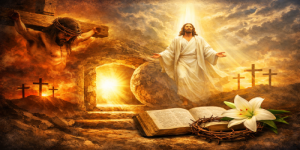
- Hope stronger than violence: evil has its time, but never the last word. That belongs to the Risen Christ.
A small guide to Vendéan symbols
- The Sacred Heart patch: worn on the chest, recalling consecration to Jesus and fidelity to God’s cause.
- Banners with the cross: affirming that their struggle was above all spiritual.
- Family prayer: rosaries, hymns, hidden Masses – the underground Church endured.
- 1789–1790: Revolution begins; Civil Constitution of the Clergy (1790).
- 1793: conscription; Catholic and Royal Army formed; spring victories; autumn defeats at Le Mans and Savenay.
- 1793–1794: “Infernal Columns”; massacres of civilians; devastation of the region.
- 1794–1795: amnesty; guarantees of worship and exemption from conscription.
- after 1800: partial rebuilding; compensation; long silence in official history.
A prayer for courage in difficult times
Lord Jesus, Sacred Heart of Love, teach us courage and fidelity. Like the people of the Vendée, we want to choose You above all. Grant us wisdom in discernment, strength in trials, the grace of forgiveness, and peace of heart. May our families and parish remain places of living faith and love. Through the intercession of Mary and the martyrs, strengthen us so that we may never be afraid. Amen.
How to keep memory and form conscience?
- Enthronement of the Sacred Heart: in families, with daily prayer for peace of heart.
- Rosary for the persecuted: remember modern Christians who suffer for their faith.
- Catechesis: teach children about religious freedom and the dignity of each person.
- Adoration and Confession: sources of courage and reconciliation that renew communities.
- Works of mercy: serving those in need – faith defends itself best through love.
“Do not be afraid” – a message for our times
The Vendée is not only a chapter in a history book. It is a living word for the Church today: guard conscience, love truth, do not repay evil with evil, never lose hope. St. John Paul II often repeated: “Do not be afraid!” – and the same call rises from the fields of the Vendée. Courage does not mean hatred; it means fidelity and love to the very end.
Polish Parish in Peterborough