






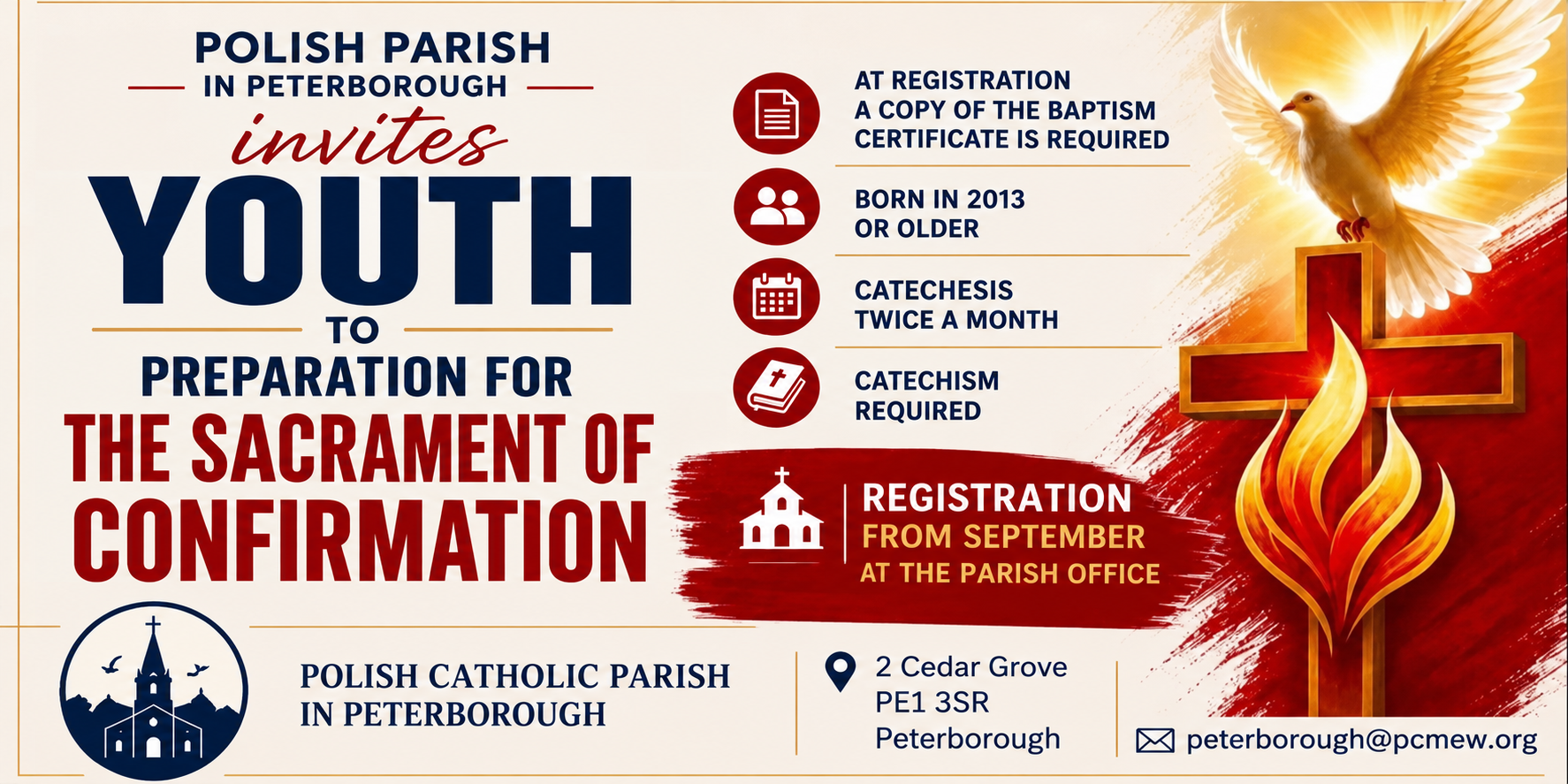



Red in Catholic liturgy has always held special significance. It symbolizes two fundamental things: fire and blood. Fire reminds us of the tongues of flame that descended on the Apostles at Pentecost. The Acts of the Apostles tell us that “tongues as of fire appeared and rested on each of them” (Acts 2:3), empowering them with courage and inspiration to preach the Gospel. This fire is a symbol of love, purification, transformation, and new life that the Holy Spirit breathes into the hearts of the faithful.
Blood, on the other hand, symbolizes sacrifice and life. The blood of martyrs who gave their lives for the faith reminds us of the ultimate love and devotion. It is also the blood of Christ, which cleanses and saves. In the liturgy, red vestments are worn during feasts of martyrs and celebrations related to the Holy Spirit, underlining the connection between His power and the sacrifice of love.
Fire is not only a symbol of power and purification. It is also a symbol of the love that unites the Holy Trinity – Father, Son, and Holy Spirit. As Saint Augustine said, “Love is the soul and fire of the Holy Spirit.” The Holy Spirit is the fire that ignites hearts, enlightens minds, and kindles the spirit to holiness. This is the very fire the bishop “wears” when donning red vestments during confirmation, to pass it on to the faithful.
Confirmation is a special moment in the life of a Catholic. It is the time when the Holy Spirit is given in a special way to strengthen faith, grant wisdom, courage, and gifts needed to live according to Christ. As the Catechism of the Catholic Church explains, confirmation “strengthens the grace of Baptism” and “confers the Holy Spirit so that the confirmed may be witnesses of Christ” (CCC 1303).
During the sacrament, the bishop anoints the confirmed with chrism oil on the forehead and lays hands on them, a visible sign of receiving the Holy Spirit and His power. The use of red in this rite is a symbolic reminder of the fire meant to kindle faith and of the blood Christ shed to make this grace possible.
The use of red in liturgy dates back to the earliest Church times. Red was already a symbol of martyrdom and sacrifice in ancient Christianity. In the Middle Ages, red vestments were reserved for important celebrations related to martyrs and events closely associated with the Holy Spirit.
Bishops, as successors of the Apostles, wear red chasubles during confirmation to emphasize their role as those who impart the Holy Spirit, strengthen the Church, and lead the faithful on the path of faith. These rites are rich with symbols and meanings that connect tradition with living spiritual experience.
It is not just about tradition or aesthetics. Red carries a message. It is the color of the power of the Holy Spirit, giving courage and strength to live by faith. It is also the color of love — a love ready to sacrifice, even to the point of laying down one’s life.
Poland’s great theologian and pope, John Paul II, often spoke about the Holy Spirit as “the greatest gift Christ left the Church.” In one of his homilies he emphasized: “The Holy Spirit is the fire that purifies hearts, ignites in us the desire for holiness and truth.” This very fire is symbolized by the red color of liturgical vestments.
In many parishes during confirmation, questions arise, especially from young people, about why the bishop wears red. One bishop recalls that during one ceremony a young boy asked, “Father, why do you wear such red clothes?” The bishop smiled and replied, “Because I wear the fire of the Holy Spirit that I want to pass on to you and everyone here.” This simple answer captures well the meaning of the color meant to warm hearts and strengthen faith.
For those receiving confirmation, the red color is a sign that they receive the power of the Holy Spirit to change their lives. It is a call to courage, to be witnesses of Christ in everyday life, even if it means difficulties or persecution. As Saint Paul says, “You did not receive a spirit of slavery to fall back into fear, but you received a spirit of adoption as sons” (Romans 8:15).
Red is therefore a color meant to remind of God’s presence, power, and love in the hearts of every Christian.
The red color worn by the bishop during the sacrament of confirmation is more than just liturgical tradition. It is a living sign of the Holy Spirit’s presence, the fire of love and power meant to kindle the hearts of the faithful and strengthen their faithfulness to Christ. It is also a reminder of the sacrifice of martyrs and Christ Himself, who showed what true love is. So when we see a bishop in red vestments during confirmation, we see a sign of God’s presence and power strengthening the Church worldwide.