

The term Pascha (Πάσχα) originates from Greek and Latin, ultimately derived from the Hebrew פֶּסַח (Pesach), meaning Passover. This linguistic connection isn't merely coincidental - it represents a profound theological bridge between two of the world's most significant religious observances. The relationship between Passover and Easter runs deeper than shared timing; it encompasses layers of symbolism, prophecy, and fulfillment.
Both Passover and Easter celebrate freedom from bondage - Passover commemorates liberation from physical slavery in Egypt, while Easter celebrates spiritual liberation from sin. This parallel isn't superficial but represents a divine progression in salvation history.
One of the most powerful symbols connecting these celebrations is the lamb. In the original Passover narrative, God commanded the Israelites to sacrifice an unblemished lamb and mark their doorposts with its blood. This act of faith protected them from the angel of death that passed through Egypt. The symbolism finds its ultimate fulfillment in Christ, whom John the Baptist identified as "the Lamb of God who takes away the sin of the world."
This profound connection is beautifully captured in sacred art, particularly in The Ghent Altarpiece by Jan van Eyck, where the bleeding Lamb stands on an altar, symbolizing Christ's Eucharistic sacrifice. The blood flowing into a golden chalice represents the ultimate sacrifice that bridges the Old and New Covenants.
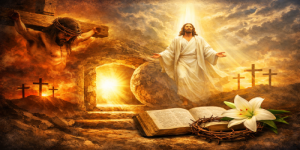
It's no coincidence that Christ's crucifixion occurred during Passover. The synoptic gospels carefully note this timing, emphasizing how the events of Holy Week fulfilled ancient prophecies and patterns. The Last Supper itself was a Passover meal, transforming the ancient ritual into what would become the Christian Eucharist.