

Can Music Lead Someone to the Bible?
The story of nine songs, 73 biblical references and a question more important than the music itself: will someone open Scripture after listening?
Some melodies stay with us for decades. A few notes can bring back words, emotions and memories with surprising clarity. Yet a Gospel passage heard on Sunday can sometimes fade from our minds by Monday. Why is that? And could something we usually regard as entertainment help us to listen more attentively to the Word of God?
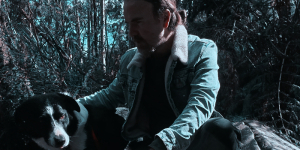
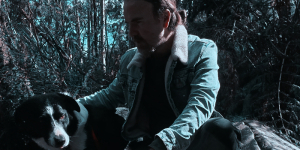
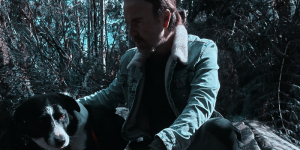
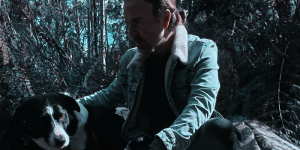
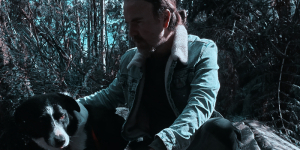
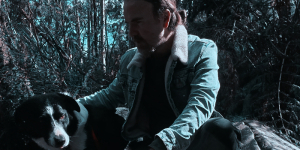
A recent feature in the music magazine Eternal Flames offers an unusual starting point. Paul DeShield, who performs as Eminence, has recorded De Shield of Faith, a collection of nine songs rooted in Christian faith. The most interesting aspect of his project, however, may be what he created alongside the music.
From a song to a passage of Scripture
DeShield developed a Scripture Map connecting the themes and lines of his songs to biblical passages. The project contains 73 references across 24 books of the Bible. He also prepared a free nine-week study guide intended to support personal reading and group reflection.
The purpose is not to reduce the Bible to song lyrics. Quite the opposite: the music is meant to be a signpost. It may capture someone's attention, raise a question or stir their conscience, but it should not be the final destination.
This distinction matters. Even a sincere and thoughtful artistic interpretation cannot replace reading the Word of God in its proper context, nor can it take the place of prayer and the sacramental life of the Church.
A song may offer an invitation. Our encounter with God's Word truly begins when we open the Scriptures themselves.
Faith does not remove difficult days
DeShield's project draws on the spiritual armour described in the Letter to the Ephesians, as well as experiences of loss, patience and hope. The shield of faith in St Paul's writing (see Ephesians 6:16) is not a guarantee that life will be free from trouble. Rather, it challenges us to consider what sustains us when trouble comes.
In times of trial, people need more than easy reassurance. They need truth, the presence of others and hope that does not deny suffering. Scripture knows these experiences well: the laments of the Psalms, the questions of Job, Martha and Mary's grief at the death of Lazarus, and Christ Himself weeping at His friend's tomb (see John 11:35).
If a contemporary song encourages someone to look up these accounts, it may serve a worthwhile purpose: reminding us that questions about God are not reserved for those who already have all the answers.
What might this mean for families and parishes?
Not everyone enjoys rap, rock or modern Christian music. Nor should every song using biblical language be accepted without discernment. But we can ask younger people which words stay with them when the headphones come off. What gives them hope? What troubles them? Does their music ask questions about forgiveness, the meaning of life, loneliness or God?
Such conversations may become something more valuable than debates about musical taste. They can lead towards reading the Gospels together, personal prayer and a deeper understanding of faith within the living community of the Church.
The Catholic tradition offers a particularly beautiful practice: lectio divina, a prayerful reading of Scripture. It requires no soundtrack. We need only a biblical passage, a little quiet and the willingness to ask: what is God saying to me through this text, and how should I respond in my life?
A small invitation for this week
Choose a passage of Scripture — perhaps Ephesians 6:10–18 or John 11:17–44. Read it slowly. Notice which sentence stays with you. Return to it the following day. If possible, talk about it with someone close to you.
A deeper friendship with the Word of God may begin with a step as simple as this. Not a grand declaration, but a daily encounter.
The music magazine Eternal Flames interviewed Paul DeShield about his Scripture Map, faith, grief and why he wants listeners to return to the Bible itself. That conversation inspired this separate parish reflection.
A faith-and-culture reflection for readers of the Polish Parish in Peterborough. The music project is an illustration of contemporary engagement with Scripture, not an official parish catechesis programme or a doctrinal resource of the Catholic Church.